Nina Chernick is an Upledger Institute craniosacral therapy instructor in London, ON Canada. In this episode, Nina educates me on all things craniosacral, and I feel reaffirmed on how valuable CST is as a tool for Movement Detectivery.
Nina Chernick is one of my all time favourite craniosacral therapy instructors and I was pumped she agreed to chat with me on the podcast. I first met Nina in 2018. She was my teacher for craniosacral therapy 2 and somatoemotional release 1, and she’s been teaching with the Upledger Institute since before I could write the alphabet.
In the chance that you so happen to be studying for your Upledger CST techniques certification exam, I think this interview will be super useful (hint hint some of the content covers answers to some exam questions…)
Craniosacral therapy is a huuuge part of my practice, my sessions with clients being 50/50 craniosacral and movement. I strongly believe that receiving craniosacral therapy can help transform how you move, and I asked Nina to explain her thoughts about this in our conversation, which felt incredibly validating.
In our conversation, Nina and I discuss:
- The concept Dr. Upledger defined as an “energy cyst”, how we assess them in CST, and the impact they can have on how our bodies move
- What is Somatoemotional release? And are we really “releasing” emotions from the body?
- What is “inner wisdom”? And how do we work with it in the context of a craniosacral therapy session.
- How is craniosacral therapy working with the body with a different kind of connection than other manual therapies like massage or chiropractic?
- How craniosacral therapy can help musculoskeletal healing and lead to better movement and range of motion.
- The alarming trend of “bonesmashing” in the looks maxing community, and why it might not be a great idea.
And much more.
I really loved getting to speak with Nina and I hope you enjoy our conversation and learned a lot, too.
Where to find Nina:
Nina’s Website: Nina Chernick Manual Therapy
Instagram: @ninachernickmanualtherapy
In London Ontario and want help with your body? Book in a session with Nina
Upcoming Upledger CST courses: International Alliance of Healthcare Educators – Seminar Locator (search for Nina Chernick as the instructor for her courses)
Things we mentioned in this episode:
- Strolling Under The Skin video, by Dr. Jean-Claude Guimberteau
- “Bonesmashing” trend:
Here’s a little more about Nina Chernick:
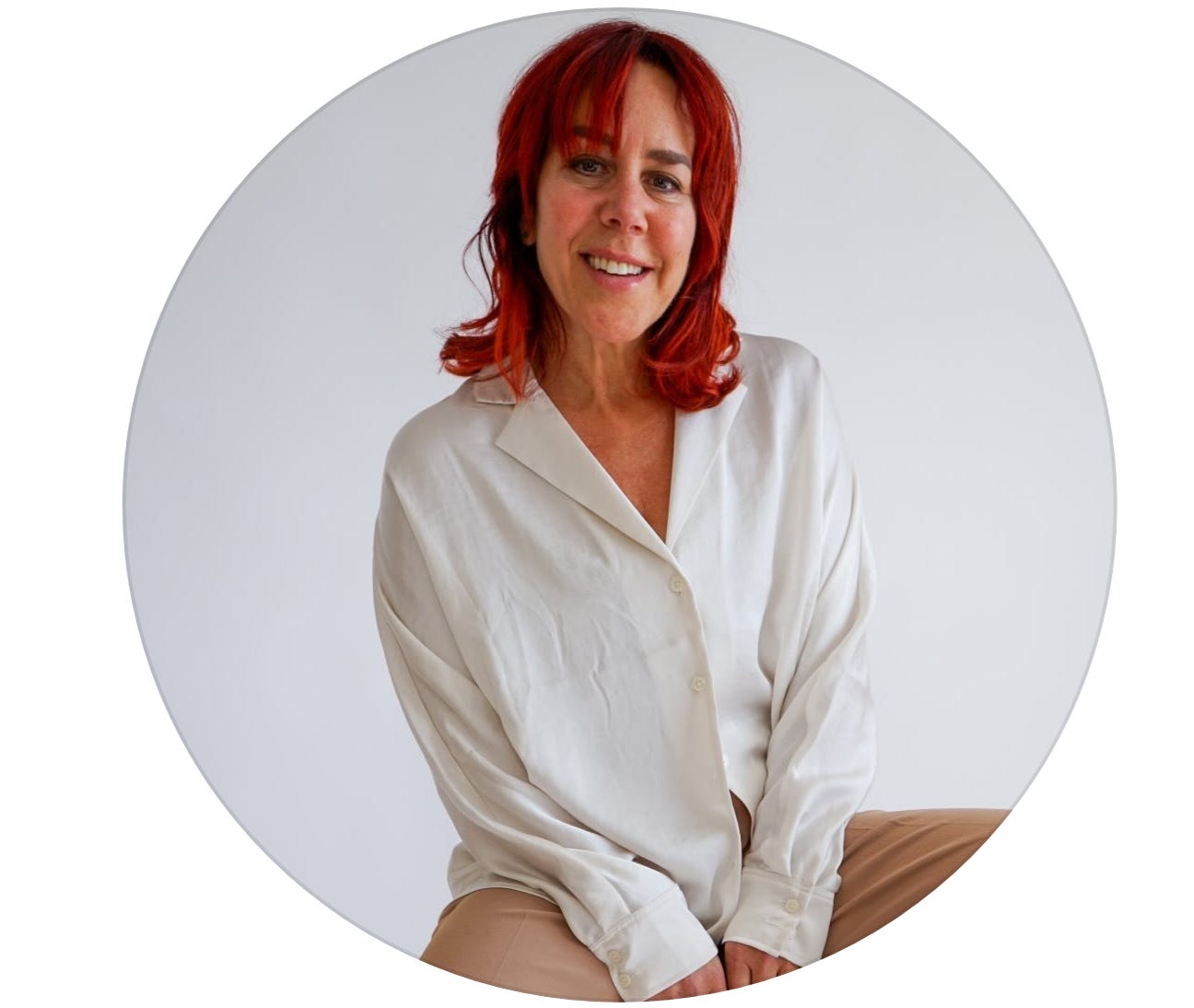
Yonina Chernick, BA Kinesiology ’87 from the University of Western Ontario and the University of British Columbia, trained at Sutherland-Chan School of Massage Therapy and opened private practices in both London and Guelph in 1991. Since then, she has studied CranioSacral Therapy(CST), latterly training as an instructor and a Techniques Level Examiner for the Upledger Institute. With Diplomate Certification achieved in 2000, she teaches CS1, CS2 and SER1(the first, second and third levels in the core curriculum) in both North America and abroad to professionals from all areas of Health Care. Since completing McMaster University’s Contemporary Acupuncture Program, and advanced training as a Neurofunctional Sports Performance Practitioner, she has become a Senior Instructor. With a return to her sports roots, Nina has worked with several teams at the University of Western Ontario as well as been part of the medical team for numerous national and international sporting events. Presently in London, she uses CranioSacral Therapy in treating infants, children and adults. She uniquely blends the Neurofunctional approach of Contemporary Acupuncture with the whole body focus of CST to help with acute or chronic pain, concussions and sports injuries, trauma, neurological problems, learning, developmental and feeding issues, facial and oral dysfunction.